
Shop notes · 5 min read
How to change the battery in a Volkswagen key fob
CR2032, five minutes, no programming. Same job on Tiguan, Jetta, Atlas, Taos, and Golf R — plus how to start the car if the fob is already dead.
Updated 2026-09-09 · Platinum Volkswagen, Hicksville, NY
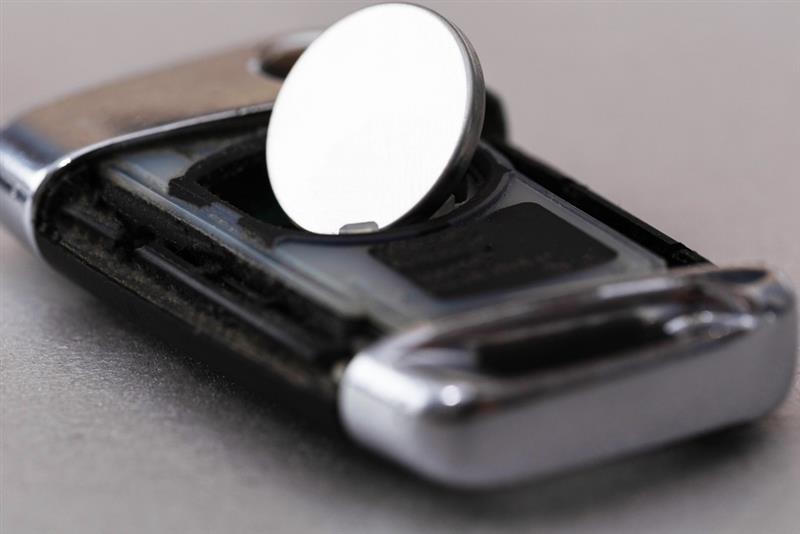
You press unlock. Nothing. Before you assume the fob is dead forever, it’s almost always the coin cell. This is the one DIY we actually want you to do in the driveway. We already published the Tiguan version in March 2026 — same CR2032, same five minutes — and it applies to the rest of the lineup we sell in Hicksville.
| What you have | Battery | Notes |
|---|---|---|
| Tiguan, Taos, Atlas, Atlas Cross Sport, Jetta, Golf R (current KESSY fob) | CR2032 | 3V lithium, 20 mm × 3.2 mm. Lasts 2–4 years. |
| Older flip keys | Usually CR2032; some used CR2025 | Match the cell that’s already in the fob. Don’t force a thicker 2032 into a 2025 tray. |
What you need
- One CR2032 — Duracell, Energizer, Panasonic. A few dollars.
- The emergency key that’s already in the fob, or a thin plastic pry. A tiny flathead if you’re careful.
- A towel so the board doesn’t bounce onto the kitchen tile.
The swap
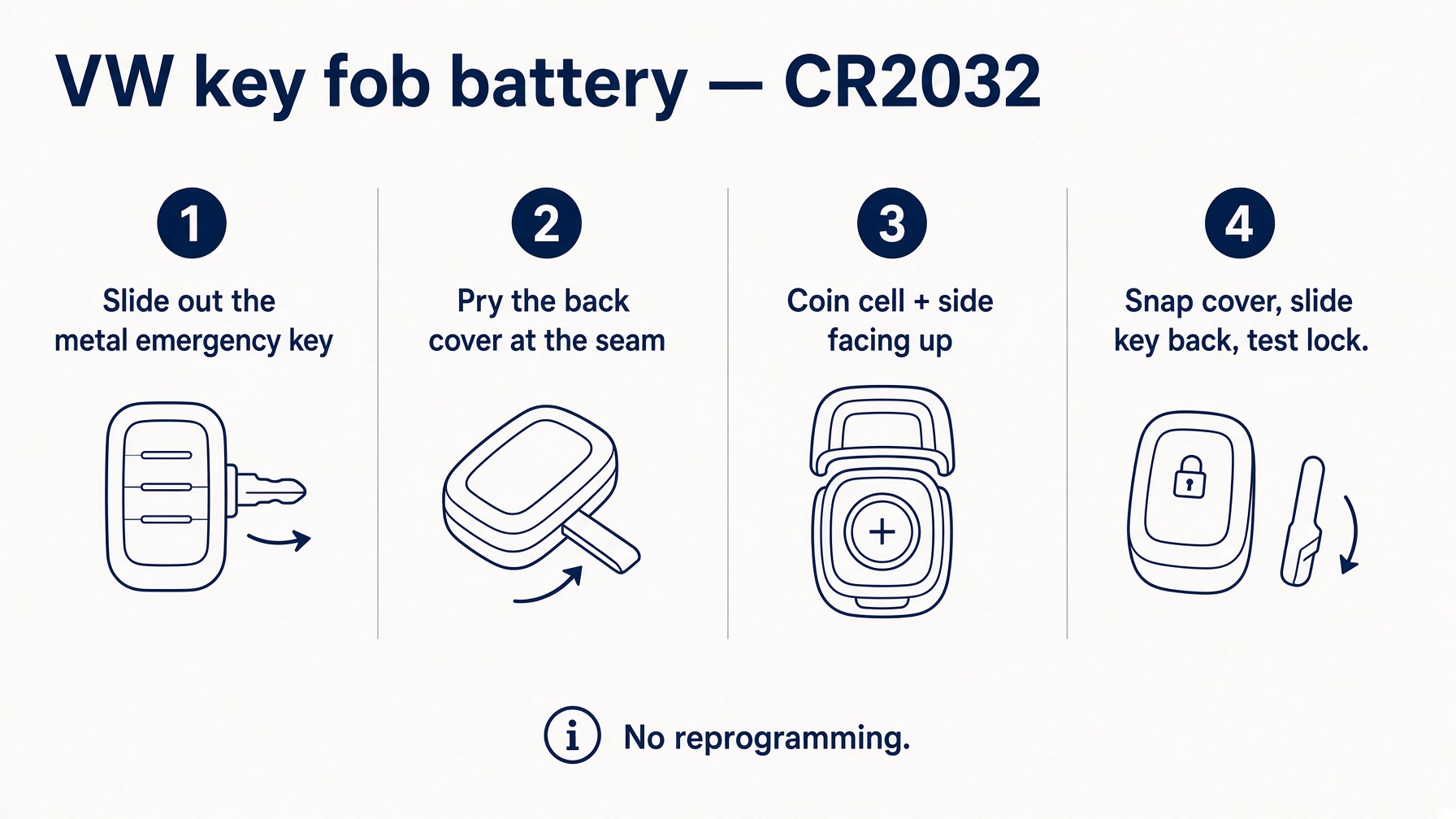
- 1
Slide out the emergency key
Release button on the side or back of the fob. Hold it and pull the metal blade. That blade is also your pry tool.
- 2
Open the back
Find the seam. Tip of the key or a thin screwdriver in the slot, twist gently. It should pop. If you’re forcing it, you’re in the wrong place — stop before you crack the housing.
- 3
Swap the cell, + up
Note which way the old one sits. Most current VWs: plus (writing) facing you. Seat the new cell under the lips. Don’t manhandle the circuit board.
- 4
Snap, reload the key, test
Halves click around the edge. Slide the emergency key back in. Lock, unlock, trunk. Look for the LED on the fob.
The fob is already dead and you’re in the parking lot
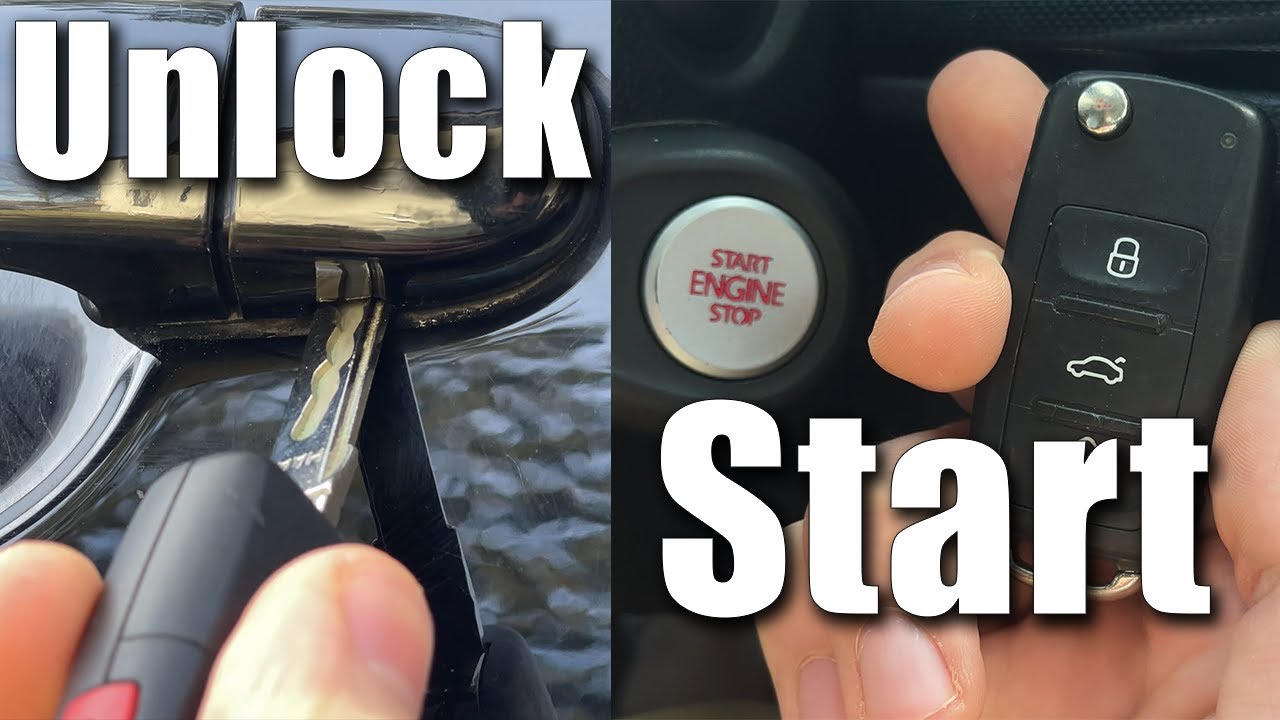
You can still get in and start. Slide the emergency key out. Driver’s door handle has a slot — the cap pops, the blade unlocks the door. For push-button start, hold the whole fob against the column (there’s a key symbol on many cars) while you brake and press Start. That NFC trick is why we tell people not to panic at Stop & Shop.
When it’s not the battery
- Fob went through the wash or a snowbank — water on the board. We can open it; sometimes it’s done.
- Buttons work, car says “key not in range” after a new cell — then we look at antennas and programming.
- You need a second key. That’s a cut-and-program job at the dealer, not a $4 battery.
- Will I lose programming?
- No. The car still knows this fob. A battery swap does not unpair it.
- Tiguan only?
- No. Same current fob family on Tiguan, Taos, Atlas, Atlas Cross Sport, Jetta, and Golf R we sell. Confirm the cell in the tray if you have an older flip key.
- Dashboard says key battery low.
- That’s your two-week warning. Change it before you’re standing in the rain with a dead remote.
Education, not a work order. Specs vary by VIN. Owner’s manual and a quote from Platinum Volkswagen LLC win arguments. Schedule service.